
Menu
Challenge
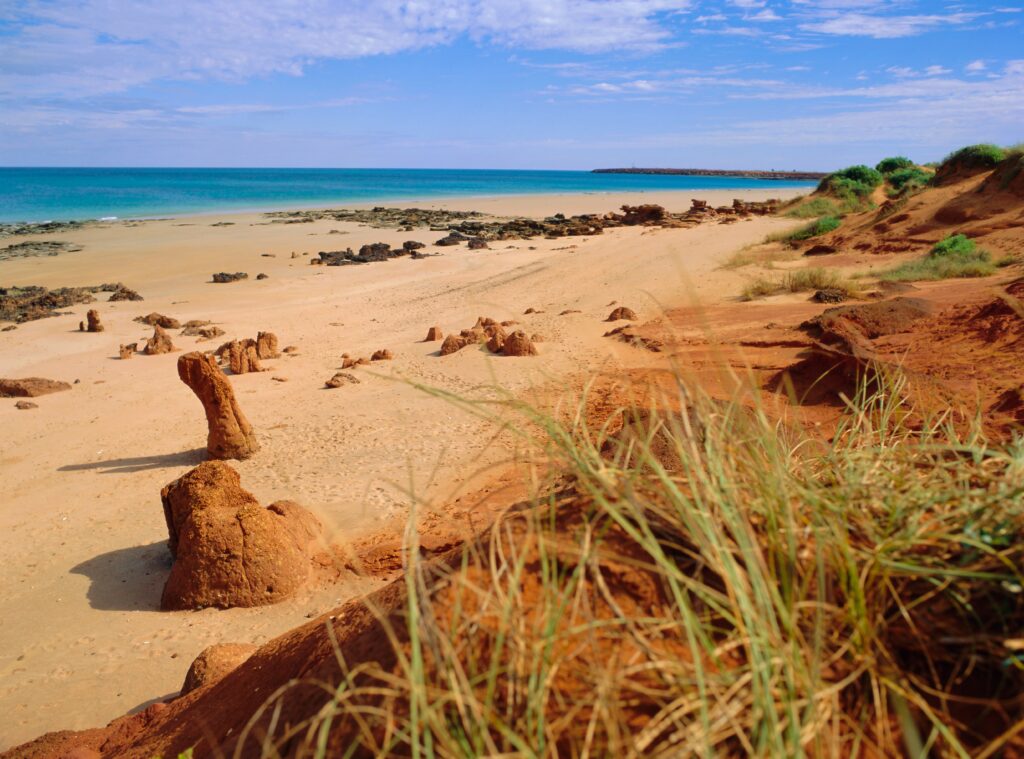
Eighty Mile Beach is one of Australia’s most significant Ramsar wetlands, recognised as the second most important feeding ground for migratory shorebirds and waterbirds in Australia, as well as a rookery for sea turtles.
The site spans vast intertidal mudflats, inland wetlands, Mandora Salt Marsh and rare mound springs that support culturally important Threatened Ecological Communities.
Key threats include grazing pressure, feral herbivore impacts, recreational pressure, tourism growth, ecological knowledge gaps, climate change and the need for stronger recognition and integration of First Nations cultural knowledge.
Solution
Rangelands NRM is delivering an integrated program of environmental management, monitoring and partnership-building to protect the ecological character of Eighty Mile Beach Ramsar Wetland. The project focuses on reducing key threats to the site’s intertidal mudflats, inland wetlands, Mandora Salt Marsh, mound spring systems and grassland habitats.
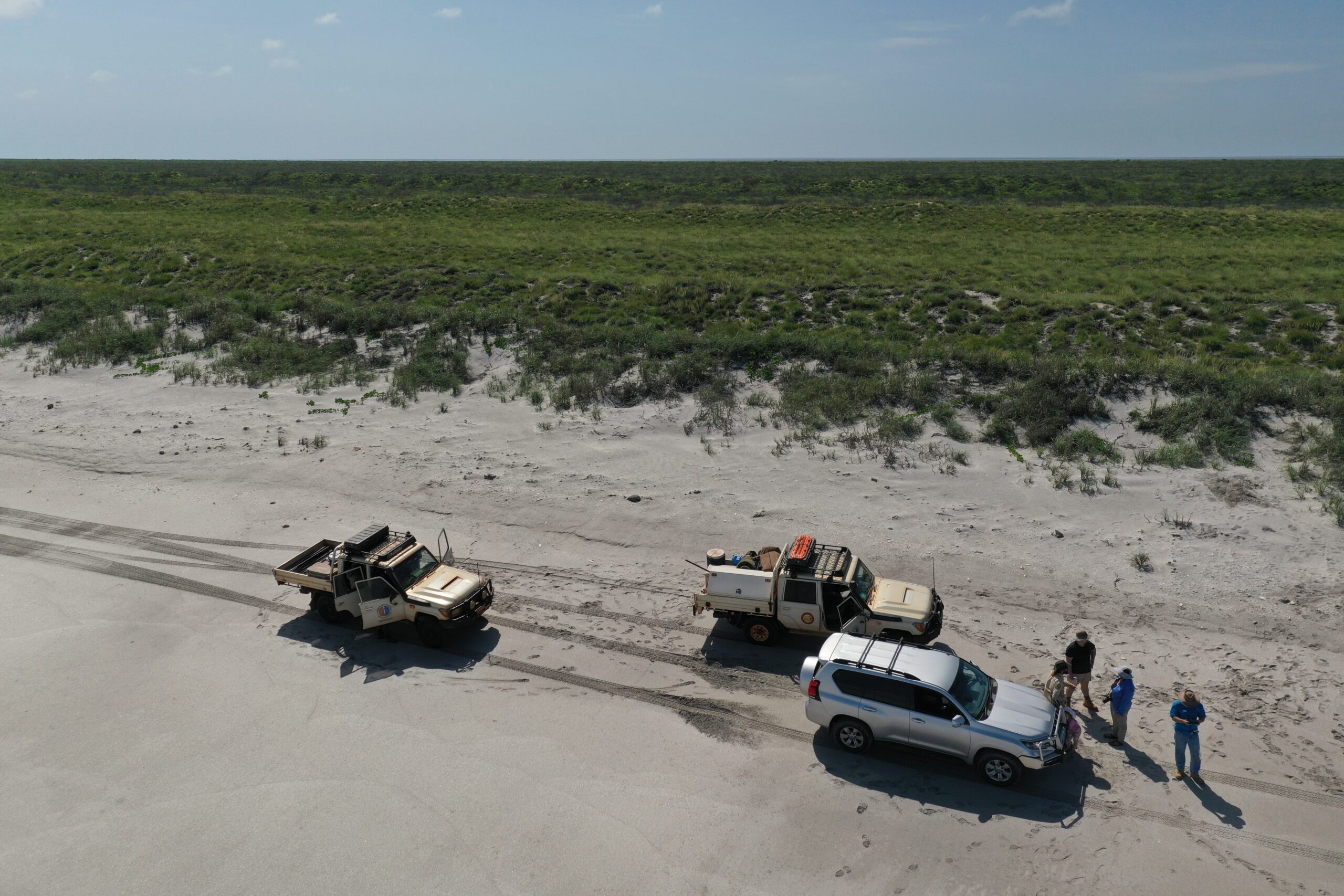
The solution combines practical on-ground action with improved data collection and stronger stakeholder collaboration. Activities include managing pest and feral herbivore impacts, supporting improved land management practices, installing access controls, undertaking erosion management, preparing sites for restoration works, removing debris, conducting habitat condition assessments and supporting benthic fauna and shorebird-related monitoring.
The project also includes First Nations cultural practice days, community engagement, skills and knowledge surveys, communications materials and synthesis of baseline data to inform future management decisions.
The project is designed to support a more coordinated approach to Ramsar site management by enabling Traditional Owners, pastoral landholders, government agencies and community stakeholders to share knowledge, identify priority sites and work together to protect the environmental and cultural values of Eighty Mile Beach.
Impact
This project will help protect the ecological character of Eighty Mile Beach Ramsar Wetland while supporting climate resilience, biodiversity protection and culturally informed land and sea management.
It will contribute to healthier mound spring wetlands, improved habitat for migratory shorebirds, reduced grazing and recreational impacts, stronger knowledge systems and improved community awareness of the site’s international environmental significance.
Outcome
The project will strengthen long-term protection of Eighty Mile Beach by improving the information, partnerships and practical management actions needed to maintain the site’s Ramsar values.
By 2028, the project will support better ecological understanding of shorebird feeding habitats, improved management of mound spring wetlands and grassland habitats, reduced impacts from feral herbivores and unmanaged access, and stronger collaboration between Traditional Owners, pastoral landholders, agencies and community stakeholders.
Get in touch
Fill in the below form and we'll get you to the right place.
Recent Projects