Challenge
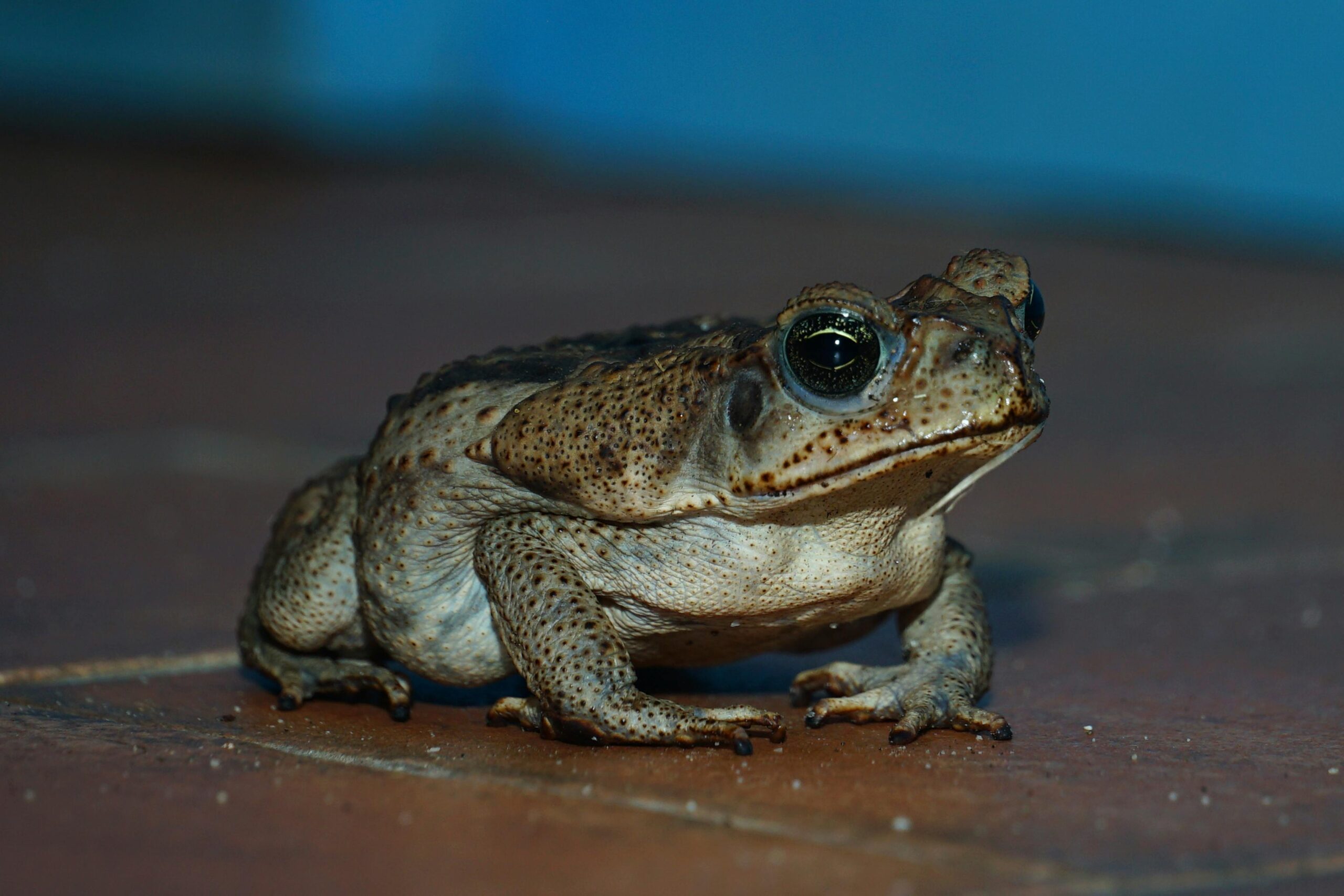
Cane toads have spread across northern Australia in a broad invasion front and have now reached the western Kimberley. From here, modelling suggests they are likely to move south toward the Pilbara along a narrow coastal corridor across Karajarri and Nyangumarta Country. Limiting dry-season access to artificial water points that sustain toads in this arid landscape could halt the invasion. Without a coordinated containment barrier, the front is likely to reach the Pilbara, with severe biodiversity impacts.
Solution
Rangelands NRM convenes workshops and working groups spanning governance, funding, science and community engagement. Pastoral partners map and manage water points; Traditional Owners and ranger teams guide operations and access protocols; scientists support monitoring design and adaptive management to build a coordinated containment response across a critical coastal corridor.
Impact
Halting the advance of cane toad populations along the Eighty Mile Beach stretch is reducing negative impacts on native species and improving ecosystem resilience. The project has fostered community stewardship among Traditional Owners and pastoral managers, and contributed valuable monitoring data to regional conservation efforts, informing adaptive management of the containment strategy.
Outcome
The Toad Containment Zone project has demonstrated that a multi-tenure, community-led approach can create an effective biosecurity barrier against invasive species in remote landscapes. By combining Indigenous land management, pastoral cooperation and scientific monitoring, the program has established a replicable model for cane toad management along invasion fronts, protecting the ecological integrity of Karajarri and Nyangumarta Country and the broader Pilbara bioregion.